
-
Occupational Therapy for Functional Neurological Symptom Disorder: An Educational Video Series
Habiba Ali and Steven M. Gerardi
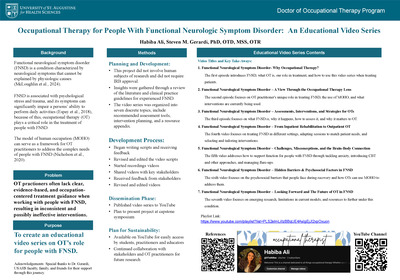
Functional Neurological Symptom Disorder (FNSD) is a complex condition that significantly disrupts occupational performance, identity, and participation. Despite the important role occupational therapy plays in addressing these challenges, many practitioners report uncertainty about how to apply occupation-based models- particularly the Model of Human Occupation (MOHO)- to guide treatment. This capstone project developed a seven-part educational video series to increase practitioner confidence and provide clear, evidence-informed strategies for assessment, intervention planning, and client-centered reasoning. Videos cover essential topics such as OT’s role in FNSD, psychosocial contributors, brain–body connections, functional retraining, and adapting interventions across settings. Hosted on YouTube for accessible dissemination, this series serves as a practical resource for OT practitioners seeking foundational knowledge and clinically relevant guidance in FNSD care. Future work may explore effectiveness, practitioner outcomes, and opportunities for integration into continuing education.
-
Educating Early Childhood Educators on Creating a Sensory Inclusive Classroom
Maryah Booker, Zeida Gutierrez, and Maureen Fischer
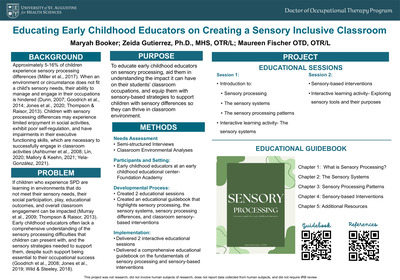
This capstone paper focuses on educating early childhood educators on sensory processing, helping them understand its impact on their students’ classroom activities, and equipping them with sensory-based strategies to support children with sensory differences, allowing them to thrive in a classroom environment.
-
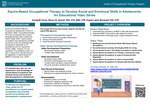
Equine-Based Occupational Therapy to Develop Social and Emotional Skills in Adolescents: An Educational Video Series
Annabeth Dorris, Steven Gerardi, and Angela Blackwell
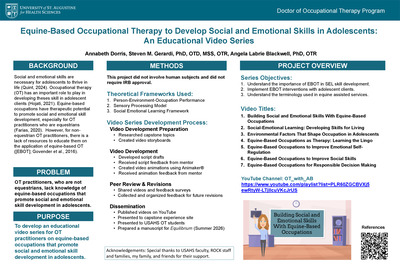
Adolescents experience rapid physical, emotional, and social changes that often challenge self-regulation and social-emotional skill development. Occupational therapy (OT) practitioners are equipped to address these needs through a variety of ways, like equine-based occupational therapy (EBOT), yet resources on this setting remain limited. This capstone project developed an educational video series to guide OT practitioners in using equine-based occupations to promote social-emotional learning (SEL) skills in adolescents, targeting self-awareness, self-management, social awareness, relationship skills, and responsible decision-making. The seven videos were posted to YouTube for easy access. This resource serves as a tool OT practitioners can use for knowledge and intervention ideas in EBOT. Future research should quantify the benefits of equine-based occupations to improve social and emotional skills in adolescent clients.
-
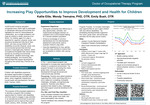
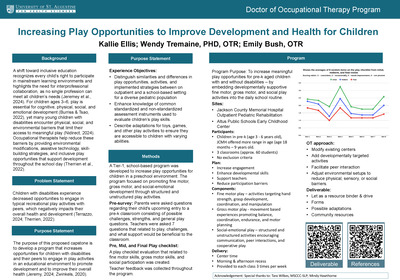
Increasing Play Opportunities to Improve Development and Health for Children
Kallie S. Ellis, Wendy Tremaine, and Emily Bush
Children with disabilities often experience reduced opportunities for meaningful peer play, which can negatively influence their physical, cognitive, and social-emotional development. Early childhood environments play a critical role in supporting inclusive participation, yet many barriers—physical, social, and environmental—limit access to developmentally rich play throughout the school day. The purpose of this capstone project was to develop, implement, and evaluate a Tier-1, school-based program designed to increase meaningful play opportunities for preschool children ages 3–6, with and without disabilities.
A needs assessment was conducted with teachers and parents to identify developmental concerns and participation barriers related to fine motor, gross motor, and social skills. Based on these findings, an inclusive play program was integrated into center time and recess across three preschool classrooms (approximately 60 children). The program incorporated developmentally supportive activities, environmental modifications, and facilitation strategies rooted in occupational therapy practice. A play checklist was administered at three intervals—initial, midterm, and final—and qualitative feedback was gathered from teachers throughout implementation.
Results indicated steady improvements in children’s play engagement across all skill domains, with teachers reporting increased participation, improved fine and gross motor performance, and richer peer interactions. Teachers also expressed that the program was beneficial for long-term classroom use and helpful in identifying students who may require further support.
Overall, the project demonstrates that a collaborative, Tier-1 occupational therapy approach can successfully enhance inclusive play opportunities and promote developmental growth within preschool educational settings. Program deliverables provide sustainable tools for continued implementation.
-
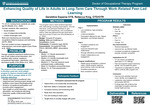
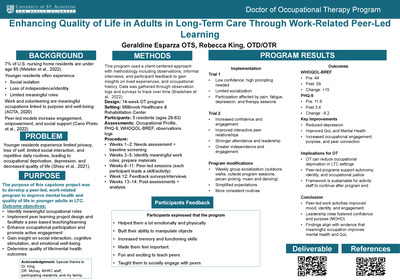
Enhancing Quality of Life in Adults in Long-Term Care Through Work-Related Peer-Led Learning
Geraldine Esparza and Rebecca King OTD
Younger adults residing in long-term care (LTC) institutions face numerous challenges related to identity, engagement, social interactions, mental health, and overall quality of life. This doctoral capstone project developed and implemented a peer-led, work-related intervention program designed to promote mental health, enhance occupational engagement, and improve the quality of life for younger adults residing in long-term care facilities. A 14-week program, comprising an occupational profile, needs assessment, role selection, and two trials of peer-led meaningful work activities, was completed by five participants, aged 29 to 63. The Model of Human Occupation (MOHO) served as the foundation for a qualitative program evaluation methodology. Results indicated an improvement with PHQ-9 scores decreasing across all participants and WHOQOL-BREF scores increasing. Participants demonstrated greater confidence, social interaction, purpose, and self-identity through engagement in work-related leadership roles. Significant improvements were noted between the first and second trials in observations and feedback, including increased independence, smoother sessions, improved peer communication, and stronger group dynamics. The program demonstrated that peer-led occupational engagement can transform the LTC environment into a meaningful community for younger residents, despite obstacles such as varying health conditions, staffing limitations, pain levels, and limited access to materials, which can influence implementation. This program highlights the vital role of occupational therapy in alleviating occupational deprivation and increasing engagement, identity, and well-being in younger LTC populations. Moving forward, this program can benefit residents in LTC across all ages, and the integration of peer-led work programs offers possible future directions for continued development and an increased sense of community and belonging.
-
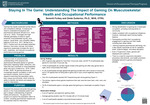
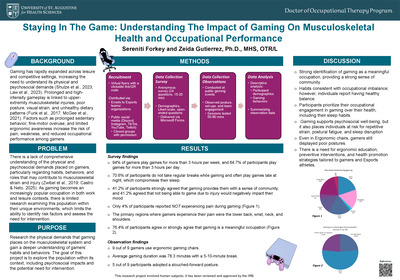
Staying In the Game: Understanding The Impact of Gaming On Musculoskeletal Health and Occupational Performance
Sereniti A. Forkey Dr and Zeida Gutierrez
The purpose of this capstone is to examine the physical demands that gaming places on the musculoskeletal system and to gain a deeper understanding of gamers’ habits and behaviors. The goal of this project is to explore the population within its context, including psychosocial impacts and the potential need for intervention. By doing so, this research aims to provide valuable insights to both gamers and clinicians, supporting and enhancing occupational performance in gaming.
-
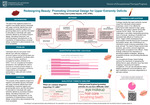
Redesigning Beauty: Promoting Universal Design for Upper Extremity Deficits
Sierra Louise Forkey and Cynthia Haynes
The purpose of this capstone project is to research and identify barriers individuals with upper extremity deficits face when participating in personal hygiene and grooming tasks and to use this information to advocate for individuals with upper extremity deficits by promoting inclusive design, educating consumers, and informing beauty manufacturers on the importance of implementing a universal design component to allow products to be more accessible.
-

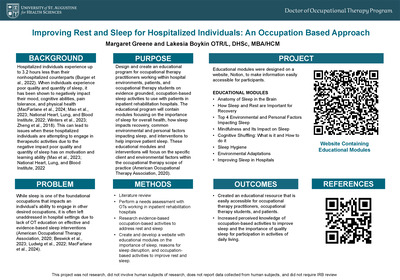
Improving Rest and Sleep for Hospitalized Individuals: An Occupation Based Approach
Margaret R. Greene and Lakesia Boykin
Design and create an educational program for occupational therapy practitioners working within hospital environments, patients, and occupational therapy students on evidence grounded, occupation-based sleep activities to use with patients in inpatient rehabilitation hospitals. The educational program will contain modules focusing on the importance of sleep for overall health, how sleep impacts recovery, common environmental and personal factors impacting sleep, and interventions to help improve patient sleep. These educational modules and interventions will focus on the specific client and environmental factors within the occupational therapy scope of practice (American Occupational Therapy Association, 2020).
-
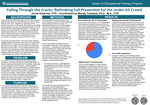
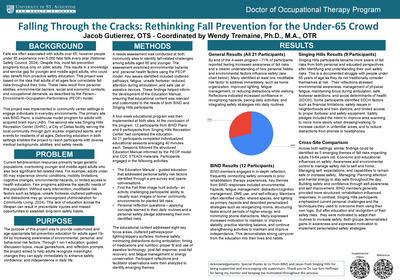
Falling Through the Cracks: Rethinking Fall Prevention for the Under-65 Crowd
Jacob C. Gutierrez and Wendy Tremaine
This project sought to address the lack of fall prevention education aimed at peoples under 65 in order to promote safety throughout the lifespan.
-
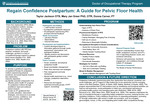
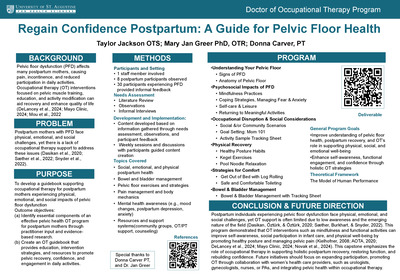
Regain Confidence Postpartum: A Guide for Pelvic Floor Health
Taylor Jackson, Mary Jan Greer, and Donna Carver
Postpartum pelvic floor dysfunction can disrupt daily occupations such as toileting, hygiene, mobility, sexual health, sleep, and infant care. These challenges often reduce confidence and limit participation. Although pelvic floor issues are common, occupational therapy has not been widely recognized in this emerging area, leaving a gap in functional, client-centered support.
This capstone project developed Regain Confidence Postpartum: A Guide for Pelvic Floor Health, an occupation-focused resource designed to help postpartum individuals understand pelvic floor dysfunction and return to meaningful routines. A needs assessment was completed through clinical observation, discussions with providers at Purely Pelvic Floor, and a review of current evidence. The assessment identified limited awareness of the role of occupational therapy and a need for accessible and functional education and intervention strategies.
The guidebook content covers topics such as understanding your pelvic floor, signs of pelvic floor dysfunction, anatomy, psychosocial impacts, mindfulness practices, coping strategies for fear and anxiety, self-care and leisure, returning to meaningful activities, occupational disruption and social considerations, social and community scenarios, goal setting (Mom 101), activity sample tracking, physical recovery, healthy posture habits, Kegel exercises, pool noodle relaxation, and strategies for comfort, highlighting the growing role of occupational therapy in pelvic floor health and providing practical tools to support postpartum recovery and participation.
-
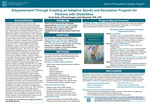
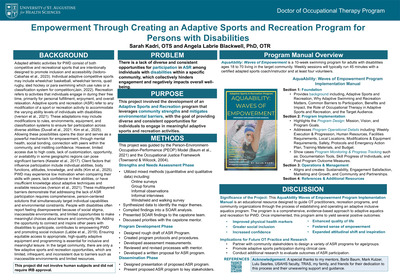
Empowerment Through Creating an Adaptive Sports and Recreation Program for Persons with Disabilities
Sarah Kadri and Angela Labrie Blackwell
Adaptive sports and recreation (ASR) refers to recreational and competitive physical activities modified to be inclusive and accessible for persons with disabilities (PWD), adjusting equipment, rules, instruction, and environmental setup to support participation across a wide range of physical, cognitive, and sensory abilities. PWD often report feeling disempowered due to social stigma, inaccessible environments, and limited opportunities to make meaningful choices about leisure and community life. A lack of diverse and consistent ASR opportunities within communities collectively hinders participation and negatively impacts overall well-being. Utilizing the Person Environment Occupation Performance (PEOP) theoretical framework, this capstone project developed a 10-week swimming adaptive and sports recreation program that leverages community strengths and mitigates environmental barriers, with the goal of providing diverse and consistent opportunities for individuals to engage in meaningful adaptive sports and recreation activities. This AquaAbility Waves of Empowerment program implementation manual is an educational resource designed to guide occupational therapy (OT) practitioners, recreation programs, and community organizations through the process of establishing and operating an adaptive inclusive aquatics program. The program is a comprehensive, evidence-based approach to adaptive aquatics and recreation for PWD. Once implemented, this program aims to yield several positive outcomes, including improved physical health markers, greater social inclusion, increased confidence, enhanced quality of life, fostered sense of empowerment, and expanded attitudinal shift and inspiration.
-
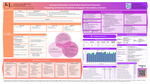
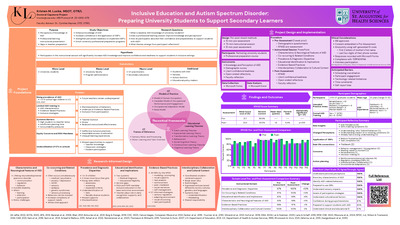
Inclusive Education and Autism Spectrum Disorder: Preparing University Students to Support Secondary Learners
Kristen M. Lucke and Cynthia Haynes
Autism spectrum disorder (ASD) affects approximately 1 in 31 children in the United States, highlighting the need for future teachers and occupational therapists (OTs) to support students with ASD in inclusive educational settings. This mixed-methods capstone examined how an OT-informed professional learning session influenced university students’ knowledge, confidence, and readiness to support learners with ASD. Fifteen graduate students participated in a 75-minute instructional session addressing six ASD learning domains. Pre- and post-session measures included demographic information, the investigator-developed Knowledge and Perceptions of Autism Spectrum Disorder (KPASD) assessment, Likert-scale ratings, and qualitative reflections. Participants demonstrated significant increases in total KPASD scores (p = .001), domain-level gains (p = .047), and an average 6.4% improvement in correct responses. Qualitative findings reflected increased understanding of ASD characteristics, diagnostic disparities, behavior, and inclusive instructional strategies. Findings demonstrate that a single structured learning experience can meaningfully enhance ASD-related knowledge, confidence, and inclusive readiness, illustrating how OT-informed professional learning strengthens evidence-based, collaborative, and inclusive practice to prepare future professionals better to support students with ASD in educational settings.
-
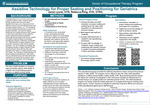
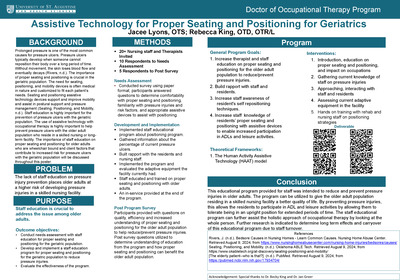
Assistive Technology for Proper Seating and Positioning for Geriatrics
Jacee Lyons and Rebecca King
The lack of staff education on pressure injury prevention places older adults at a higher risk of developing pressure injuries in a skilled nursing facility.
-
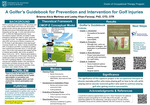
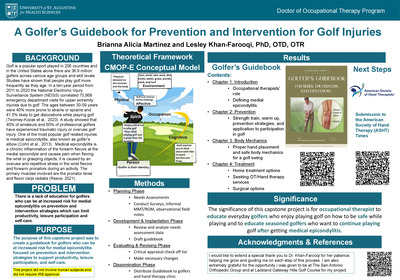
A Golfer's Guidebook for Prevention and Intervention for Golf Injuries
Brianna A. Martinez and Lesley Khan-Farooqi PhD, OTD, OTR
The purpose of this capstone project was to create a guidebook for golfers who can be at increased risk for medial epicondylitis focused on prevention and intervention strategies to support productivity, leisure participation, and self-care.
-
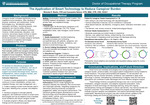
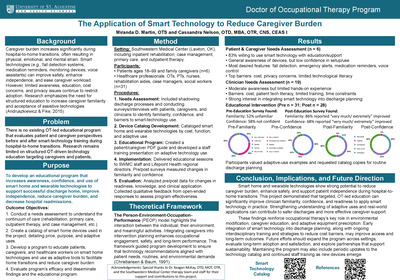
The Application of Smart Technology to Reduce Caregiver Burden
Miranda D. Martin and Cassandra Nelson
Caregiver burden often increases during hospital-to-home transitions, limiting patient independence and placing strain on caregivers. Smart home and wearable technologies offer promising solutions; however, limited awareness, confidence, and training hinder their adoption. This capstone project developed an educational program to improve familiarity and practical use of smart technology among patients, caregivers, and healthcare professionals. A needs assessment involving surveys, interviews, and clinical observations identified key barriers, including cost concerns, limited technological literacy, and low clinician confidence. An educational presentation and smart technology catalog were then implemented, with pre- and post-surveys used to measure changes in knowledge and confidence. Findings showed substantial improvements in clinician familiarity and readiness to recommend smart devices, as well as increased interest in integrating technology into discharge planning. These results highlight the value of education in promoting technology-enabled care and reducing caregiver burden. Future efforts should focus on long-term adoption, cost-accessibility, and sustaining program materials as new technologies emerge.
-
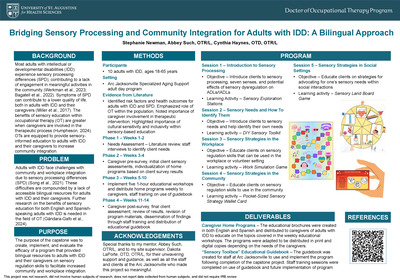
Bridging Sensory Processing and Community Integration for Adults with IDD: A Bilingual Approach
Stephanie J. Newman and Cynthia Haynes
The capstone project included creation, implementation, and evaluation of an educational program. The program provided education for adults with intellectual and developmental disabilities and their respective caregivers. The educational materials included development and implementation of educational workshops of sensory processing strategies in the community, work, and social settings for adults with IDD and bilingual home programs created for caregiver education. The program was evaluated through pre- and post-surveys administered to caregivers to demonstrate changes in knowledge of sensory processing strategies, as well as client assessments administered to assess changes in client understanding of sensory strategies.
-
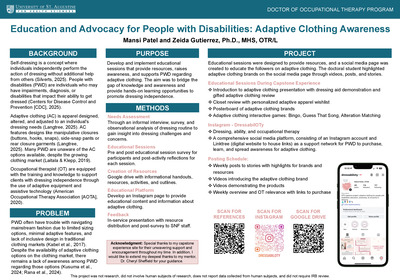
Education and Advocacy for People with Disabilities: Adaptive Clothing Awareness
Mansi Patel and Zeida Gutierrez
The purpose of this educational capstone project is to develop and implement educational sessions that provide resources, raise awareness, and support individuals with disabilities in accessing adaptive clothing. The aim was to bridge the knowledge and awareness gap and provide hands-on learning opportunities to promote dressing independence.
-
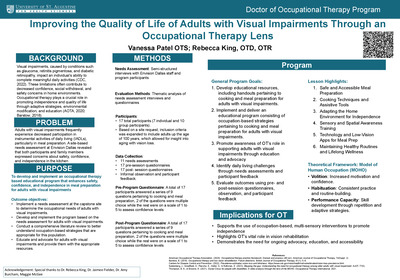
Improving the Quality of Life of Adults with Visual Impairments Through an Occupational Therapy Lens
Vanessa R. Patel, Rebecca King, and Jaimee Fielder
Adults with visual impairments often experience decreased independence, safety concerns, and reduced confidence in daily occupations, particularly during meal preparation. This capstone project aimed to develop and implement an occupation-based educational program to support safe and independent cooking for adults with visual impairments. A needs assessment was conducted at Envision Dallas, resulting in a program focused on meal preparation and the use of adaptive strategies. The program consisted of twelve structured lessons delivered through a combination of individual sessions and group-based instruction. Outcomes were measured using pre- and post-session questionnaires, informal observation, and participant and family feedback. Results indicated improvements in participants’ confidence, safety awareness, and use of adaptive tools during cooking tasks. Findings support the role of occupational therapy in enhancing independence and quality of life for adults with visual impairments through client-centered, occupation-based intervention.
-
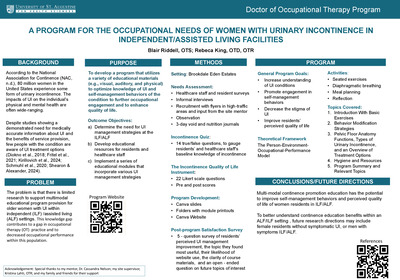
A Program for the Occupational Needs of Women With Urinary Incontinence in Independent/Assisted Living Facilities
Blair Riddell and Rebecca King
The purpose of this capstone project was to develop a multimedia educational program for women with UI living in an independent living facility(ILF)/assisted living facility (ALF) to foster engagement in health management behaviors for enhanced overall quality of life.
-
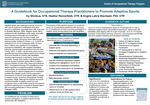
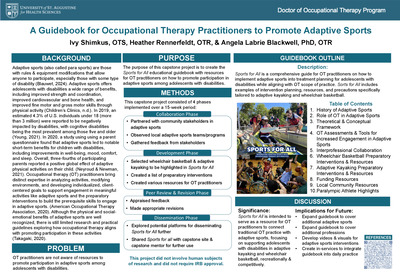
A Guidebook for Occupational Therapy Practitioners to Promote Adaptive Sports
Ivy M. Shimkus, Heather Rennerfeldt, and Angela Blackwell
Adaptive sports offer meaningful physical, social, and emotional benefits for adolescents with disabilities; however, many occupational therapy (OT) practitioners report limited training and resources to support these activities within practice. This capstone project aimed to address this gap by developing Sports for All, an educational guidebook designed to help OT practitioners promote engagement in adaptive sports among adolescents with disabilities. Guided by the Canadian Model of Occupational Performance and Engagement and the PERMA well-being framework, the project emphasized the importance of person, environment, occupation, and positive psychological factors that support meaningful engagement in activities that promote overall well-being in adolescents with disabilities. Using a 15-week, four-phase process- collaboration, development, peer review, and dissemination- the project incorporated stakeholder partnerships, observations of local adaptive sports programs, and feedback from practitioners and community organizations. The guidebook provides a foundational background on adaptive sports, outlines the role of OT practitioners in incorporating adaptive sports into treatment planning, and offers practical tools including assessments, intervention planning resources, and preparatory activities for wheelchair basketball and adaptive kayaking. Additional components include interprofessional collaboration strategies, funding resources, and local community resources to support implementation. The intent of Sports for All is to bridge the gap of resources gap that often exists following OT academic preparation, equipping practitioners with accessible, evidence-informed materials to integrate adaptive sports into clinical and community-based practice.
-
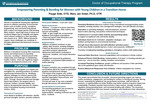
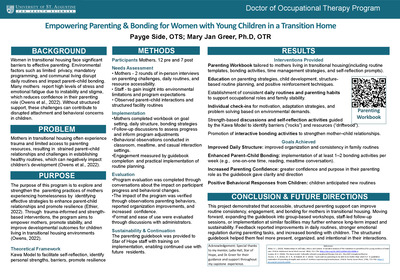
Empowering Parenting & Bonding for Women with Young Children in a Transition Home
Payge Side and Mary Jan Greer PhD, OTR
This capstone project was completed at Star of Hope, a transitional housing facility for women and children. A needs assessment revealed that mothers struggled with routine consistency, emotional regulation, and parent–child bonding due to environmental demands. In response, a customized parenting guidebook was developed using occupational therapy principles to provide structure, bonding activities, and self-reflection strategies. Mothers who engaged with the guidebook reported improvements in organization, confidence, and interactions with their children. Sustainability was supported by leaving the guidebook with the facility and training staff for continued use. The project highlights the impact of simple, structured OT interventions in promoting resilience and meaningful family routines.
-
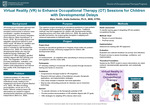
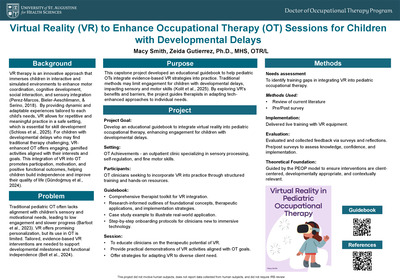
Virtual Reality (VR) to Enhance Occupational Therapy (OT) Sessions for Children with Developmental Delays
Macy M. Smith and Zeida Gutierrez
This capstone project developed an educational guidebook to help pediatric OTs integrate evidence-based VR strategies into practice. The guidebook was created to enhance engagement, for children with developmental delays, impacting sensory and motor skills. By exploring VR’s benefits and barriers, the project guides therapists in adapting tech-enhanced approaches to individual needs.
-
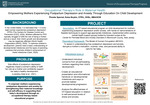
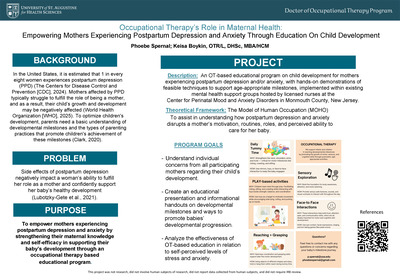
Occupational Therapy's Role in Maternal Health: Empowering Mothers Experiencing Postpartum Depression and Anxiety Through Education On Child Development
Phoebe Spernal and Keisa Boykin
To empower mothers experiencing postpartum depression and anxiety by strengthening their maternal knowledge and self-efficacy in supporting their baby’s development through an occupational therapy-based educational program.
-
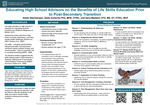
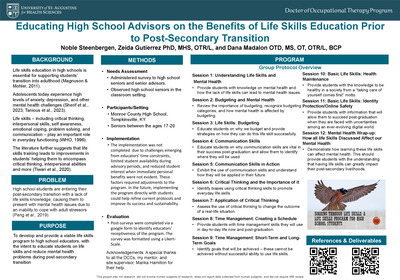
Educating High School Advisors on the Benefits of Life Skills Education Prior to Post-Secondary Transition
Noble H. Steenbergen and Zeida Gutierrez
To develop and provide a viable life skills program to high school educators, with the intent to educate students on life skills and reduce mental health problems during post-secondary transition
-
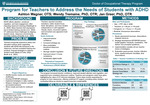
Program for Teachers to Address the Needs of Students with ADHD
Ashton R. Wagner; Wendy Tremaine; and Dr. Mary Jan Greer, PhD, OTR
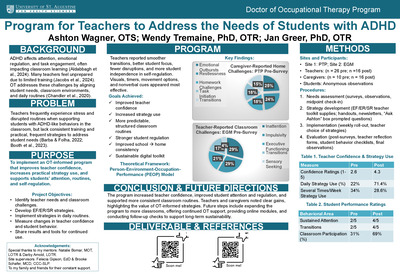
The capstone project focused on supporting teacher participants from Eden Gardens Fundamental Magnet Elementary by providing practical strategies to address students who struggle with attention, regulation, and daily classroom routines. After completing a needs assessment, it was clear that many teachers faced similar challenges, including difficulty with transitions, staying on task, and responding when students became overwhelmed. To address this, created an OT-led teacher-training program that uses the PEOP model and focuses on simple, practical strategies teachers can implement right away. This included visual cues, sensory and movement supports, and minor changes to the classroom setup. As teachers began using these tools, they checked in regularly to offer guidance, which helped make adjustments to the strategies as needed. Findings led teachers to feel more confident, use the provided strategies more consistently, and notice improvements in student engagement and daily routines. Overall, the project highlighted occupational therapy's role in strengthening teacher support and increasing teachers' confidence in selecting appropriate strategies to manage students' ADHD-like behavior. Making simple changes helped create a calmer classroom environment and increased the ability to meet the needs of students with attention and regulation challenges associated with ADHD.
Printing is not supported at the primary Gallery Thumbnail page. Please first navigate to a specific Image before printing.