

Files
Download Full Text (365 KB)
Description
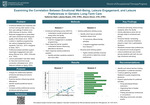
This capstone project explores the relationship between emotional well-being, leisure participation, and activity preferences among older adults in an assisted living facility using a mixed-methods approach. Findings showed that participation frequency alone was not strongly associated with emotional well-being, as residents with varying levels of attendance reported similar well-being scores. Instead, factors such as personal interest, physical limitations, scheduling conflicts, and environmental preferences played a larger role in engagement. Residents preferred socially interactive and physically active activities, such as fitness classes and performances, and identified gaps in current programming where preferred activities were not consistently offered. Overall, the study highlights that meaningful, resident-centered leisure opportunities, rather than activity quantity, are key to supporting emotional well-being and reinforces the role of occupational therapy in promoting personalized, engaging programming.
Publication Date
Spring 4-10-2026
Publisher
University of St. Augustine for Health Sciences
Keywords
Aged, Residential facilities, Leisure activities, Quality of life, Mental health
Medical Subject Headings
Leisure activities. Occupational therapy
Disciplines
Medicine and Health Sciences | Occupational Therapy
Recommended Citation
Stahl, K. G., Boykin, K., & Glover, S. (2026, April 10). Examining the Correlation Between Emotional Well-Being, Leisure Engagement, and Leisure Preferences in Geriatric Long-Term Care. Poster presented at the Virtual OTD Capstone Symposium, University of St Augustine for Health Sciences. Retrieved from https://soar.usa.edu/otdcapstonesspring2026/23

Comments
Poster presented at the OTD Capstone Symposium held at the University of St. Augustine for Health Sciences April 10, 2026.