

Files
Download Full Text (865 KB)
Description
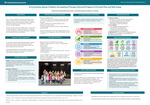
Background: Play is an essential childhood occupation that supports motor, cognitive, social, and emotional development. Children in underserved communities may experience limited access to structured, developmentally appropriate play opportunities. Community-based occupational therapy-informed programming can promote meaningful participation, developmental skill acquisition, and overall well-being.
Purpose: The purpose of this doctoral capstone project was to develop, implement, and evaluate a community-based, pediatric occupational therapy-informed program designed to promote play, participation, and well-being among children ages 5–12 at the Boys & Girls Club of Denison.
Methods: A needs assessment was conducted through site observations, staff discussions, and review of developmental and play skills to identify opportunities for program development. Findings guided the creation and implementation of structured and unstructured play-based activities targeting social participation, motor skills, communication, problem-solving, and emotional regulation. Educational resources and activity binders were developed for staff and caregivers to support continued implementation. Program evaluation included observational assessments, participation tracking, and staff feedback.
Results: The program facilitated opportunities for peer interaction, teamwork, communication, and problem-solving through developmentally appropriate play experiences. Activities supported fine and gross motor skill development, motor planning, and meaningful participation. Strategies addressing emotional regulation and independence were introduced, although these areas continued to require additional support. Staff and caregiver resources were provided to promote program sustainability.
Conclusion: This doctoral capstone project demonstrated the potential value of integrating occupational therapy-informed, play-based programming into a community setting. The program supported developmental skill-building, social participation, and opportunities for meaningful engagement while providing sustainable resources for continued use. Findings highlight the role of occupational therapy in promoting childhood well-being through accessible, community-based interventions.
Publication Date
Fall 2026
Publisher
University of St. Augustine for Health Sciences
Keywords
Pediatric occupational therapy, Play-based interventions, Community-based programming, Child development, Social participation, Emotional regulation, Fine and gross motor skills, School-aged children, Health and well-being, Meaningful participation
Medical Subject Headings
Occupational Therapy; Play and Playthings; Child Development; Community Health Services; Social Participation; Motor Skills; Adaptation, Psychological, Child, Interpersonal relations, Health promotion
Disciplines
Occupational Therapy
Recommended Citation
Sims, P., & Tremaine, W. (2026, October 1). A Community-Based, Pediatric Occupational Therapy-Informed Program to Promote Play and Well-being. Poster presented at the Virtual OTD Capstone Symposium, University of St Augustine for Health Sciences. Retrieved from https://soar.usa.edu/otdcapstonesfall2026/3

Comments
Poster presented at the OTD Capstone Symposium held at the University of St. Augustine for Health Sciences.